
Most exhibitors asking about custom display stand cost want a number. The honest answer is that there isn’t one – not because builders are being cagey, but because the cost depends on a stack of variables that change from project to project. Floor area, build complexity, materials, lighting, AV, activations, freight, and crew size. Two stands of the same size can sit thousands of dollars apart, depending on what’s in them.
This guide walks you through what drives the cost of custom display stand projects, how custom compares to the cheaper alternatives, and where the bespoke stand investment tends to pay off for Australian businesses. For a closer look at AEH’s full custom build capability, you can also visit the Custom Displays Australia page.
The Real Cost Drivers Behind Custom Exhibition Stands
A Custom display stand cost isn’t just one factor. It’s a build-up of separate decisions that compound.
Size and complexity
A 3x3m stand is roughly a quarter of the build of a 6x6m stand, and a multi-level structure adds another step up again and requires engineering structural approvals. On top of size, complexity drives cost just as hard. A clean wall with a logo and a meeting nook costs less than a stand with curved feature walls, hanging signage, integrated AV, illuminated product showcases and bespoke joinery. Most of the price difference between a “good-looking” custom stand and a “premium” custom stand sits here.
Materials and finishes
Premium finishes cost more because they hold up across multiple events and look right under venue lighting. High-density board, fabric tension panels, real timber veneers, powder-coated metal and acrylic feature panels all sit at different price points. Eco Board and other recyclable substrates have closed the gap on traditional MDF, but specialist finishes still carry a premium.
Lighting, AV and interactive features
Lighting is one of the biggest underestimated cost lines. A properly lit stand pulls visitors from across the hall: LED strips, spotlights, illuminated graphics and feature lighting all add hardware and electrical install cost. AV adds another layer: screens, speakers, touchscreens, and integration cabling. Interactive features like product demos can cost as much as the rest of the stand combined.
Freight, installation and reusability
Crating, freight to and from the venue, install and dismantle crew hours, and storage between events all factor in. Builds going to interstate venues like Sydney to Perth, for example, carry higher freight than local builds. The flip side, however, a stand designed for reuse will cost more up-front, but will reduce the cost per event over time. A bespoke stand designed for one event and disposed of will be cheaper today, but more expensive across a year of trade.
Custom vs Portable and How the Costs Compare
 Most exhibitors weighing up a custom build are comparing it against portable or modular display options. Here’s how the two stack up.
Portable and modular display stands
Pop-ups, tension fabric frames, modular kits. Lower cost than custom, reusable, easy to freight, fast to install, but they often compromise in visual impact. A portable kit looks like a portable kit, and at major events, sitting next to fully designed custom builds, the difference is obvious. Best for regional roadshows, smaller trade events, or supporting activations alongside a bigger custom presence.
Custom display stands
Often a Higher up-front cost, but these custom displays have the widest range of options for your needs. A small custom stand can sit in a similar price range to a high-end portable system, while a large multi-level premium build can cost ten times that. The variation reflects the variation in what’s possible. Best for major national events, flagship trade shows, brand launches, or any environment where the stand needs to do real commercial work: generate qualified leads, position the brand against competitors, and support significant procurement conversations.
Why Custom Tends to Win on Total Cost
The headline cost of a custom build always looks higher than the alternatives. The total cost picture (across the life of the stand) usually tells a different story.
Cost per event drops with reuse
A custom stand designed properly can run for three, five, or even ten events. Components get refreshed, graphics get reprinted, but the structural build keeps earning its keep. Spread the up-front cost across that event count, and the per-event number drops sharply.
Better lead quality justifies the spend
A well-designed stand pulls more visitors, holds them longer, and creates more meaningful conversations. Better conversations mean better-qualified leads, which means a better cost per opportunity. For B2B exhibitors where a single closed deal can outweigh the entire build cost, the maths gets straightforward.
Brand recall compounds across events
Visitors remember the stands that looked considered. Months later, when a procurement decision lands on someone’s desk, that recall is what tips the shortlist.
Fewer surprises on event day
Cheaper builds tend to come with cheaper project management. That means more risk on bump-in day, more on-site fixes, more chance of something going wrong. A premium custom build comes with the project management to match – one point of contact, pre-assembly in the warehouse, and install crews who know the venue.
How to Get an Accurate Quote
Generic price ranges only get you so far. To get a real number, a builder needs the same inputs they’d need to design the stand (because cost and design are inseparable).
What to provide at the quote stage: The event details (venue, dates, floor space allocation), the brief (goals, audience, key features needed), any compliance requirements, reference imagery if you have it, and your budget range or ceiling.
That last point matters. Builders who know the budget can design to it, either delivering more at the top of the range, or scaling back features to hit a tighter number. Quality stand builders won’t quote blindly. It always means more back-and-forth on revisions before anyone lands at a workable scope.
Working with AEH
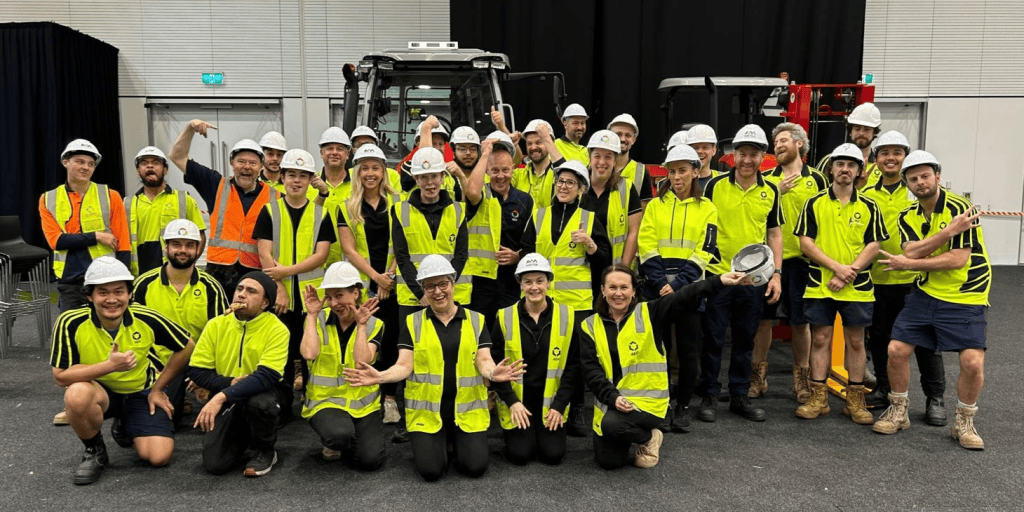
AEH has been designing and building custom exhibition stands across Australia for over thirty years, with in-house manufacturing, national installation, and clients including Tourism Australia, Ministry of Japan, Hii, Haleon, Novartis and the International Astronautical Congress.
If you’re sizing up a custom stand investment Australia-wide and want a real conversation about what the cost looks like for your specific build, the AEH team is a good place to start.
→ Talk to AEH about your next custom stand
Frequently Asked Questions
How much does a custom display stand cost on average?
There isn’t a meaningful average. A small custom stand can cost a fraction of a large premium build. The sensible approach is to define your event, brief and budget range first, then have a custom stand builder quote against that scope.
Why is the cost of a custom display stand so variable?
Because every stand is different. Size, complexity, materials, lighting, AV, freight, and install requirements (each variable shifts the number). Two stands of the same floor area can sit thousands apart, depending on the build.
How early should I get a quote for a custom build?
Six months out for a major build is sensible. That gives time for design, sign-off, technical drawings, manufacturing and pre-assembly.
Ready to get a real number for your next stand?
Send through your event details and brief, and we’ll work backwards to a quote that reflects what you actually need. Get in touch to start the conversation.