
How to Know if a Custom-Built Exhibition Stand is Right for Your Business
- A custom-built exhibition stand is right for you when the event brings in buyers, you have one message, you will exhibit more than once and the stand has to do real work.
- Check the attendee data before the stand: a custom build only earns its place on a floor full of the people you sell to.
- If the message is still being argued over internally, settle it first. A custom build makes any message louder.
- 75% of attendees prefer hands-on demonstrations, so if the stand needs a demo, a product in people’s hands or a conversation zone, custom is the answer.
- A stand designed for reuse compounds across the calendar: one show, once, with no plan to return, is the case to think hardest about. Stands can be designed with one annual show in mind if the stand is designed to last several years.
A custom-built exhibition stand is right for your business when four things are true: the shows you attend put you in front of buyers, you have one message worth building a space around, you will exhibit more than once, and the stand has to do something a flat graphic wall cannot. If three of those hold, custom is the right call. If one or none do, the honest answer is to fix those first, and we will tell you so.
The reason to get the decision right is that the audience is real. Freeman’s 2024 Trends Report found 80% of attendees rate in-person events as their most trusted source of information, and the Australian Business Events Association counted 19.8 million business event visitors in 2024. A custom build is how a business puts its best case in front of those people. It is not the right tool for every business at every show, and this post is about how to tell.
Question 1: Do the shows you attend bring in customers?
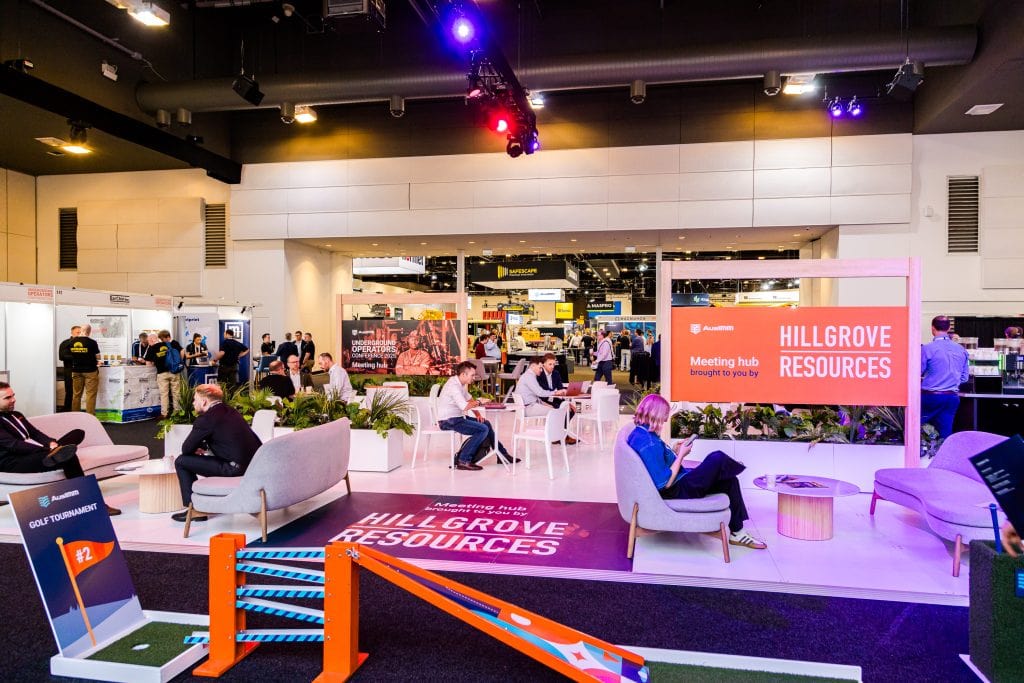 Start with the shows, not the stand. A custom build only earns its place if the floor it stands on is full of the people you sell to. Ask the organiser for last year’s attendee breakdown by job title and company size, not the headline attendance. A show with 4,000 attendees, of whom 300 are buyers in your category, beats one with 20,000 and no data.
If your customers are there and your competitors are there, the stand is where the comparison happens, and a custom build is how you win it. If the show is a habit rather than a source of business, no stand will fix that, and the better decision is to change shows before changing stands.
Question 2: Do you have one message worth building around?
A custom-built exhibition stand is designed around a single idea: what you do and why it matters to the person walking past. Visitors decide whether to stop in the time it takes to pass a 3-metre frontage, so the stand has to say one thing they can read in two seconds.
If you can write that sentence today, you are ready. If the marketing team wants the full range, sales wants the new product and the managing director wants the logo bigger, settle that first. A custom build makes whatever message you give it louder, including a muddled one. When we start a custom display project at AEH, the message is the first thing we ask for, before a line is drawn.
Question 3: Will you exhibit more than once?
This is the question that usually settles it. A custom display is designed for repeat use: the structure travels between venues, the graphics change when the message does, and a modular design lets the same components work as a 3×3 at one event and a 6×6 at another. Every show the stand attends after the first is freight, install and graphics, not a new build.
If you have two or more shows a year, or one show you will return to for several years, a custom build is the stronger choice because it compounds. If you have one show, once, and no plan to go again, think carefully. Some one-off shows justify a custom build on their own, such as a product launch or a national conference where you have to be the stand people remember. Most do not. We cover how to plan the calendar in our post on building an exhibition strategy around a custom display.
Question 4: Does the stand need to do something a graphic wall cannot?
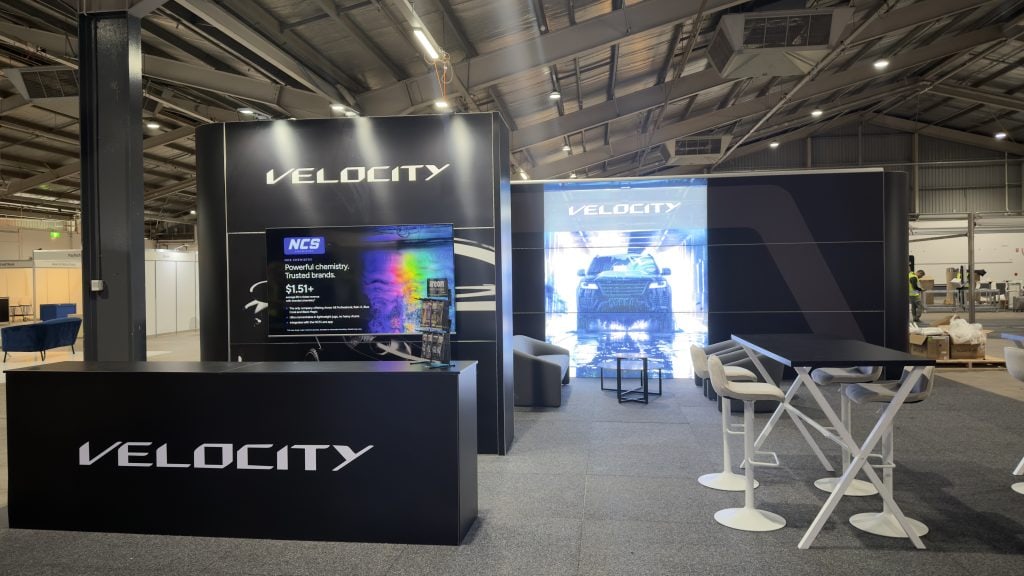
Freeman’s 2024 research found 75% of attendees prefer demonstrations and hands-on activities over any other way of learning about a product at an event. That is the strongest argument for a custom build: it can be designed around the demonstration. Ask what the stand has to do, not what it has to look like. Signs you need a custom build:
- A working machine, a sample bar or a live demonstration with power, ovens, water or data built into the stand
- A product people need to touch, lift, sit in or see cut in half at eye level
- A quiet conversation zone where a qualified visitor can sit for ten minutes without being jostled
- A headline visible from the end of the aisle, which means height, open sightlines and directed lighting
- An interactive AV screen for your new AI or tech product
- Lockable storage inside the structure so bags, stock and coats stay off the floor
If the stand only needs to show a logo and hand out brochures, none of these questions is pulling you toward a custom build yet, and we will say so.
What if you sell a service rather than a product?
A custom build still works, and often works harder, because a service has nothing on a shelf to catch the eye. The stand has to show the outcome: a screen running a live dashboard, a before-and-after case study wall, a short self-assessment on a tablet, or a well-designed meeting space with a good coffee machine or specialty food or drink treats where the real conversation happens. If you can name the result your customers get, a custom stand can be built to demonstrate it.
Who will run it?
The stand gets people to stop. Staff turn that into something you can measure. Before you commit, confirm you can staff the stand in shifts, brief the team on the one message and follow up within two working days of the show closing. Without that, the stand will look right, but you will not be able to say what it did.
When a custom build is not right yet
Be honest about the following, because we will be:
- You have not booked the space, or you do not know the stand size or position
- The message is still being argued over internally
- Nobody owns follow-up after the show
- The show has not produced a customer in two years and the attendee data cannot show you why
None of these is permanent. Fix the one that applies, then come back. A custom build runs about six months from brief to show, with design sign-off twelve weeks before handover and final build plans with our operations team at least eight weeks out, so there is usually time to settle the brief and still make the date.
What AEH needs to give you a straight answer
 Call us on +61 8 8350 2300 with the event, your stand number and floor plan, what you want visitors to do on the stand, and any brand guidelines. From that, we can tell you whether a custom build suits, and come back with a concept in 3D so you can visualise what your stand will look like. Everything after that happens in our own workshop: our designers, cabinet makers, shopfitters and graphics team build it, pre-assemble it, freight it and install it with our own crew. One team, from first sketch to dismantle.
Frequently Asked Questions
Is a custom-built exhibition stand right for a small business?
Often, yes, when the business exhibits more than once and sells to the people on the floor. A stand built once and used at two shows a year for three or four years earns its keep, and it looks like the business you want to be seen as. The deciding factor is whether those shows put you in front of the right buyers, not the size of the company.
What if we only have one show a year?
It depends on the show. One show that matters to your whole year of sales can justify a custom build on its own, especially a launch or the national show in your industry. A show you attend out of habit cannot. Look at the attendee data and what last year’s stand produced before deciding, and plan the stand for reuse so a second show is an option.
How far ahead do we need to decide?
About six months before the show for a new design. At AEH we need design sign-off twelve weeks before handover and final build plans with our operations team at least eight weeks out, which leaves time for manufacturing, pre-assembly in our Adelaide workshop and freight to the venue.
If you are weighing up a custom stand for next year’s show calendar, contact AEH on +61 8 8350 2300, and we will tell you straight whether it is the right call.
About the Author
AEH has been designing, building and installing exhibition and custom display stands for more than 30 years. A three-time inductee into the Meetings and Events Australia Hall of Fame
We manufacture in our own warehouse facility, which keeps quality control and build schedules in our hands, and we hold memberships with the International Federation of Exhibition and Event Services and the Australian Business Events Association, along with JOSCAR registration. Our designers, cabinet makers, shopfitters, signage technicians and project managers work as one team, so the people who design your stand are the people who manufacture it, apply the signage and install it at the venue.